


 My Account
  0,00 EUR


Vitamin B10 supports overall body functioning in many key areas. It has antioxidant properties, so it helps to take care of the skin and comprehensively boosts vitality. It also has a beneficial effect on immunity, as it inhibits the growth of pathogenic microorganisms and regulates the intensity of immune reactions. Besides that, it plays an important role in maintaining well-being.
Price range: €2,49 through €17,99
You may also like...
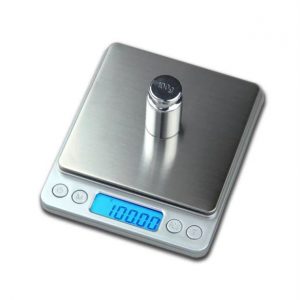
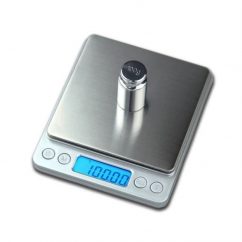
Precision scale
Perfect for weighing and counting
Previous lowest price was €22,00.
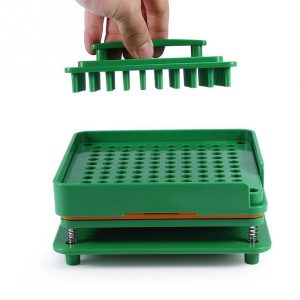
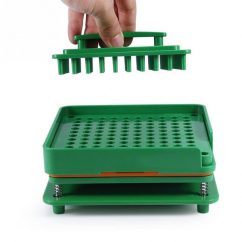
Manual capsule filler
Prepare your own capsules quickly and efficiently
Previous lowest price was €0,00.

Vegetarian capsules
Empty, transparent capsules for your favorite extracts
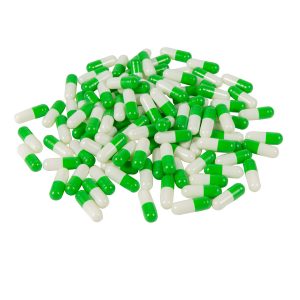
Gelatin capsules
Empty, colored capsules for your favorite extracts


Add review
Vitamin B10 | P-aminobenzoic acid
Properties: Vitamin B10, or para-aminobenzoic acid (PABA), is a substance that beneficially affects the body by regulating a number of processes within it. Although not formally a vitamin, it is usually included in this group due to its wide range of properties. First of all, it helps to take care of the good condition of the skin and hair. It contributes to scavenging free radicals – reactive molecules that, in excess, accelerate the processes associated with aging and damage to delicate cellular structures. Moreover, vitamin B10 enhances the production of glutathione – one of the most potent endogenous antioxidants. Thus, it not only improves the elasticity and firmness of the skin, giving it a healthy appearance, but also promotes the well-being of the entire body. In addition, it participates in the regulation of the immune system. It stimulates the activity of macrophages that neutralize microorganisms that cause infections, and limits the growth of microorganisms that attack the body. At the same time, it inhibits the production of factors responsible for the formation of inflammation. Thus, it counteracts the excessive spread of inflammation and helps to maintain a balance in immune responses. It is also worth noting that this compound is important for mental comfort. It supports the activity of mood-regulating neurotransmitters and contributes to the reduction of oxidative stress. Thus, it benefits not only brain performance, but also overall mood.
Occurrence: Dietary sources of PABA are offal (kidney, liver), brewer’s yeast, unfiltered beer, mushrooms, eggs, whole grain products, molasses, spinach, oat seeds. This amino acid is also produced by bacteria that are part of the intestinal microbiota.
Biochemistry: Para-aminobenzoic acid (PABA) is an organic chemical compound from the aromatic amino acid group. Its molecule consists of a benzene ring, to which two functional groups are attached in the para position: a carboxyl and an amine. In its pure form, it is a solid forming white crystals. It is soluble in water, alcohol and ether. Historically, it is called vitamin B10, although it is not actually counted as a vitamin. In bacterial and plant cells it is used to produce folic acid (vitamin b9).
Fun fact: In the 1940s and 1950s, PABA was studied extensively for use in the treatment of hyperthyroidism, typhoid fever or lupus erythematosus. Some of the results were promising, but not enough to bring the compound into clinical use.
The information provided above is intended solely to raise awareness of the scientific and historical facts regarding the properties, effects and uses of a given preparation. The product description does not constitute medical advice and should not be treated as a recommendation for its use. Always consult your doctor or specialist before using any dietary supplement, herbal preparation or nootropics. Dietary supplements should not be used as a substitute for a balanced diet and a healthy lifestyle, which are essential for maintaining good health. Dietary supplements, herbal preparations and nootropics should not be combined with any medications. The above-described preparation should not be used by pregnant and breastfeeding women or by persons under 18 years of age. The product photo is for illustrative purposes only.
How does Vitamin B10 | P-aminobenzoic acid work?

Improving the condition of skin and hair: PABA has been known for years as a compound that protects the skin from the harmful effects of UVB radiation. It acts as a natural sunscreen, protecting skin cells from oxidative stress. It inhibits the cross-linking of collagen – one of the mechanisms of skin aging – while promoting skin elasticity and firmness. PABA may stimulate epidermal regeneration in autoimmune diseases such as lupus and vitiligo. There are also reports that it can affect hair pigmentation – darkening gray hair and restoring its natural color. It’s an ingredient that can support the youthful appearance and functionality of skin and hair.

Good mood support: PABA supports mental health through its multidirectional effects on the nervous system. This compound reduces oxidative stress and inflammation – factors linked to cognitive decline and lowered mood. Supports the synthesis of acetylcholine – the neurotransmitter responsible for clarity of thought – and may increase the availability of cofactors necessary for the production of dopamine and serotonin. These two brain chemicals are responsible for motivation, pleasure and mental resilience. PABA can also affect the sensitivity of dopamine receptors, supporting emotional and cognitive processes. It is an ingredient that supports neuroplasticity and mood stability.

Antioxidant properties: PABA exhibits strong antioxidant activity – it neutralizes free radicals and supports the natural detoxification mechanisms of cells. It protects cell membranes from damage, helps to maintain their fluidity and supports the function of mitochondria – the energy centers of cells. PABA also promotes the production of glutathione – the most powerful endogenous antioxidant – and reduces the excessive production of reactive oxygen species. It thus promotes the protection of DNA, protein and lipid structures, and improves cellular energy production (ATP). It is an ingredient that helps to counteract premature aging, but also regenerate and protect the nervous system.

Regulation of the immune system: PABA has an immunomodulatory effect – it influences the activity of immune cells and supports the balance between inflammatory and anti-inflammatory responses. It reduces the secretion of pro-inflammatory cytokines and promotes macrophage activation toward the M2 phenotype, associated with extinguishing inflammation. It also supports the gut microbiota – bacteria residing in the body use PABA as a substrate for the production of folic acid, which is essential for an efficient immune response. It can also inhibit the proliferation of certain pathogens, supporting non-specific immunity. It is an ingredient with anti-inflammatory, antimicrobial and probiotic potential at the same time.
The information provided above is intended solely to raise awareness of the scientific and historical facts regarding the properties, effects and uses of a given preparation. The product description does not constitute medical advice and should not be treated as a recommendation for its use. Always consult your doctor or specialist before using any dietary supplement, herbal preparation or nootropics. Dietary supplements should not be used as a substitute for a balanced diet and a healthy lifestyle, which are essential for maintaining good health. Dietary supplements, herbal preparations and nootropics should not be combined with any medications. The above-described preparation should not be used by pregnant and breastfeeding women or by persons under 18 years of age. The product photo is for illustrative purposes only.
Vitamin B10 | P-aminobenzoic acid product specification
PRODUCT TYPE: |
|
STANDARDIZATION: |
|
MEASURING TOOL: |
|
PACKAGING: |
|
INTENDED USE: |
|
LEGAL STATUS: |
|
| ATTACHMENTS:
|
Certificate of Analysis |
The specification above contains a description and composition of all available variants of a given product or set. Depending on the batch of a given raw material or set, some information may differ slightly from the description on the label. The product photo is for illustrative purposes only.
Under European Union law, this product or some of its ingredients may be classified as not intended for consumption (so-called novel foods, nutraceuticals, nootropic compounds). Before purchasing, please familiarise yourself with the legal regulations regarding the legality of using this product or its ingredients in the country of destination.
How to use Vitamin B10 | P-aminobenzoic acid?
OPTIMAL SERVING SIZE: |
|
OPTIMAL SERVINGS AMOUNT: |
|
OPTIMAL ABSORPTION: |
|
OPTIMAL USAGE: |
|
OPTIMAL CYCLE DURATION: |
|
The information provided above is intended solely to raise awareness of the scientific and historical facts regarding the properties, effects and uses of a given preparation. The product description does not constitute medical advice and should not be treated as a recommendation for its use. Always consult your doctor or specialist before using any dietary supplement, herbal preparation or nootropics. Dietary supplements should not be used as a substitute for a balanced diet and a healthy lifestyle, which are essential for maintaining good health. Dietary supplements, herbal preparations and nootropics should not be combined with any medications. The above-described preparation should not be used by pregnant and breastfeeding women or by persons under 18 years of age. The product photo is for illustrative purposes only.
How to stack Vitamin B10 | P-aminobenzoic acid?
The information provided above is intended solely to raise awareness of the scientific and historical facts regarding the properties, effects and uses of a given preparation. The product description does not constitute medical advice and should not be treated as a recommendation for its use. Always consult your doctor or specialist before using any dietary supplement, herbal preparation or nootropics. Dietary supplements should not be used as a substitute for a balanced diet and a healthy lifestyle, which are essential for maintaining good health. Dietary supplements, herbal preparations and nootropics should not be combined with any medications. The above-described preparation should not be used by pregnant and breastfeeding women or by persons under 18 years of age. The product photo is for illustrative purposes only.
INGREDIENTS:
Current discounts

 View
View
 View
View
 View
View
 View
View
 View
View
 View
View
 View
View
 View
View
 View
View
 View
View
 View
View
 View
View
 View
View

Bupleurum extract 20:1 | Bupleurum chinense
Effective support for immunity and liver health
View

Black Rice extract 25% | Oryza sativa
Rice for weight loss? Rice for longevity? Only black rice!
View

There are no reviews yet.